Mini Split Maintenance Guide for Homeowners
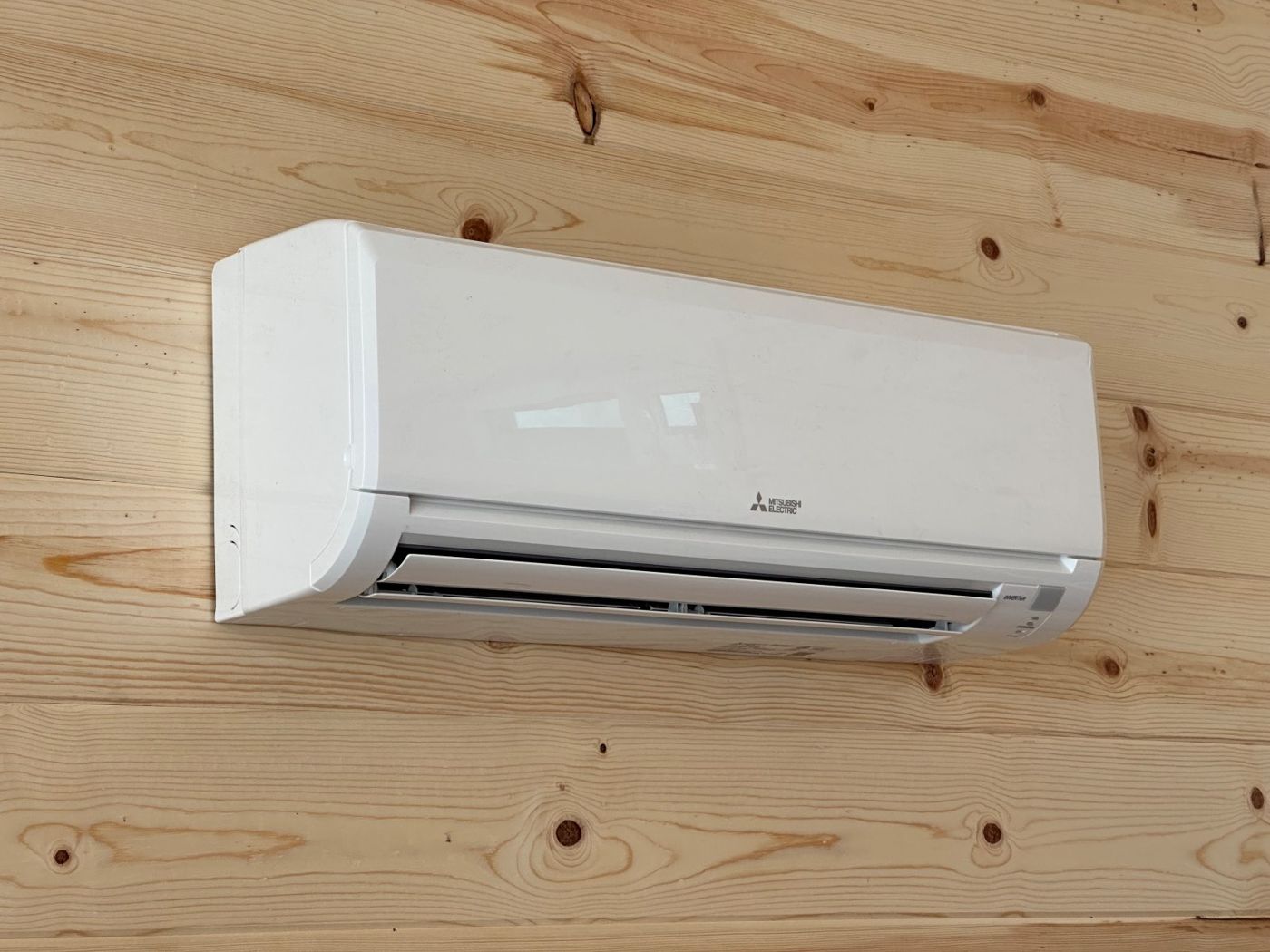
This post opens by noting mini-splits already have a reputation as an efficient, quiet, multi-zone alternative to a traditional ducted system, but like any appliance still need regular service to stay efficient, last longer, and avoid breaking down right when a homeowner needs heating or cooling most. Because a mini-split still needs free air circulation around both its indoor and outdoor components, most maintenance problems trace back to that airflow getting blocked by dust, debris, or overgrown shrubs.
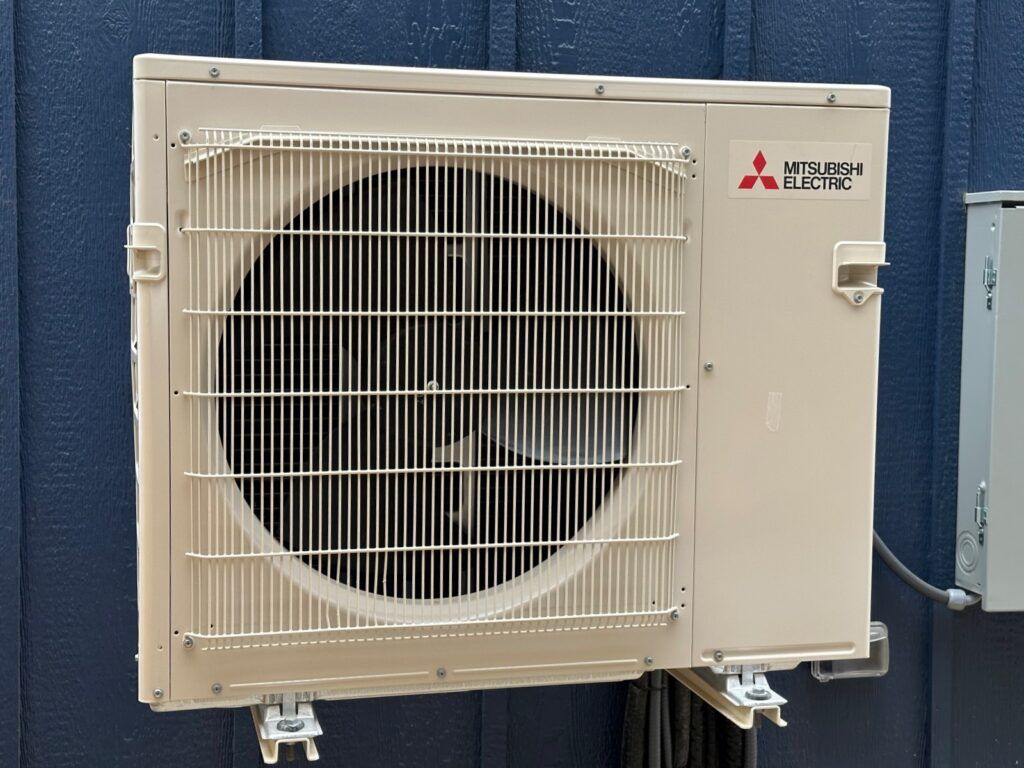
It walks through what a homeowner can safely do themselves: wiping down the indoor cabinet, checking and cleaning the filter every 4–6 weeks per the manufacturer's guidance, clearing leaves and debris from around the outdoor unit and trimming back nearby shrubs, and — with the power off — gently rinsing the coils and fins with a hose (never a high-pressure nozzle), making sure everything is dry before switching the system back on.
It also flags warning signs that call for a professional rather than a DIY fix — frozen or ice-covered coils, heavy condensation, strange noises, visibly broken parts, or noticeably weak airflow — and describes what a professional visit typically covers: filter inspection and replacement, cleaning the removable parts and evaporator coil with a commercial coil cleaner, cleaning the outdoor condensing unit and coil (sometimes applying a protective anti-buildup treatment), and checking mounting hardware, refrigerant lines, and connections. It closes by noting mini-splits cost more upfront but pay that back through lower energy bills.
Ready to Start Your Project?
Schedule an appointment or browse our floor plans to see one priced for you.
Schedule an Appointment